Cleveland Top Roofing Company for Shingle Roofs
The Essential Guide to Roofing: What Every Homeowner Should Know
Property owners frequently underestimate the value of a properly maintained roof. Understanding when to repair or replace it can result in substantial savings. Various roofing materials offer different benefits, and scheduled inspections are essential in maximizing a roof's durability. Since weather elements continuously stress roofing structures, finding a dependable contractor is absolutely essential. What are the key signs of a failing roof, and how can property owners ensure they make well-informed choices?
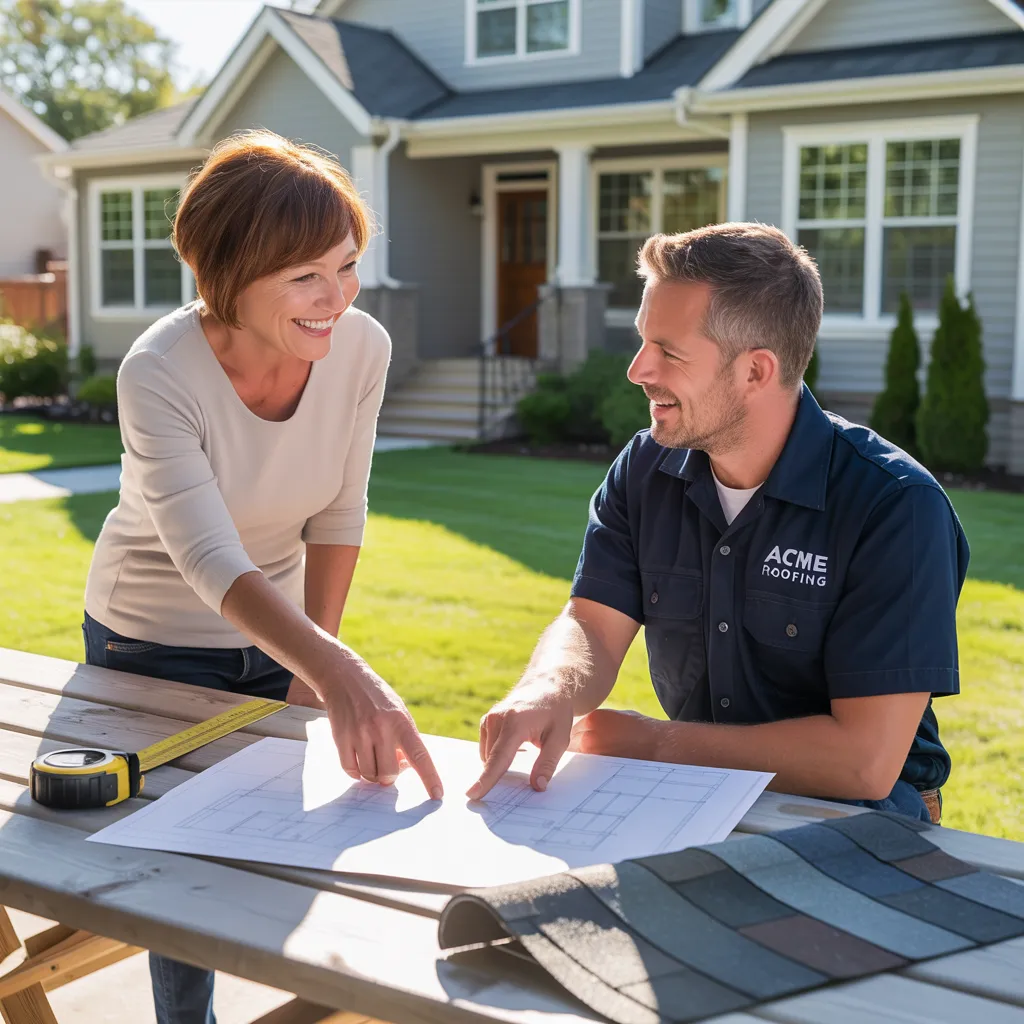
How to Tell If Your Roof Needs Repair or Replacement?
What are the ways homeowners can tell when their roof needs repair or replacement? Indications of damage can appear in a number of ways. Residents should be on the lookout for missing, cracked, or curling shingles, as they signal areas of potential concern. Additionally, stains or discoloration on ceilings or walls may suggest leaks, highlighting a need for immediate attention.
An additional key warning sign is granule shedding, frequently noticeable in gutters; this can deteriorate the roof's defensive layer. Homeowners should also inspect for drooping sections, which may indicate underlying structural problems. Regularly checking the attic for sunlight filtering through the roof boards can uncover problematic openings.
Additionally, the lifespan of the roof carries considerable weight; roofs typically last 20 to 30 years. If a roof is reaching this age threshold and shows signs of wear, replacement may be necessary. By being observant and acting in advance, homeowners can ensure their roofs maintain integrity and protect their homes effectively.
Understanding Different Roofing Materials
Familiarizing yourself with different roofing materials is crucial for homeowners aiming to make educated selections. Asphalt shingles represent a common and affordable choice, while metal roofing presents advantages in durability and energy efficiency. Additionally, tile roofing is renowned for its aesthetic appeal and longevity, making it a valuable consideration for many.
Overview of Asphalt Shingles
Asphalt shingles are a favored option for many homeowners because of their cost-effectiveness and adaptability. Coming in numerous colors and design options, they are well-suited to numerous architectural designs. Typically composed of a fiberglass mat coated with asphalt and mineral granules, these shingles deliver reliable strength and weather resistance. They are fairly straightforward to install, making them a favored option for both contractors and DIY enthusiasts. Asphalt shingles are offered in two key varieties: organic and fiberglass, each with distinct benefits and lifespans. While they generally last 15 to 30 years, correct installation and regular maintenance can significantly extend their lifespan. As a result, asphalt shingles remain a reliable and cost-effective roofing solution for many households.
Metal Roofing Benefits
Metal roofs have gained popularity among homeowners in search of a sturdy and enduring substitute for conventional materials such as asphalt shingles. Its light weight minimizes the load on the structure, making it suitable for a wide range of building types. Furthermore, metal roofs are recognized for their outstanding ability to withstand extreme weather conditions, including powerful winds, heavy precipitation, and intense snow. They also deliver outstanding energy-saving benefits, bouncing back solar heat and decreasing air conditioning expenses. A major advantage is their durability, typically surviving four decades or longer with minimal maintenance. Furthermore, metal roofing is a sustainable option; many products are made from recycled materials and are able to be recycled at the end of their useful life. All of these qualities make metal roofing an attractive option for contemporary property owners prioritizing sustainability and durability.
Benefits of Tile Roofing
Tile roofing is recognized as an excellent selection for homeowners seeking a blend of aesthetic appeal and durability. Its remarkable aesthetic , offered in a wide range of styles and hues, elevates a home's appeal while offering impressive durability. Tile roofs hold up against harsh weather elements, such as strong winds and torrential rain, making them suitable for diverse climates. Additionally, they deliver superior heat retention, supporting greater energy efficiency and cutting down on heating and cooling expenditures. Maintenance is relatively straightforward, necessitating routine inspections and cleaning to avoid the accumulation of debris. Furthermore, tile roofing is fire-resistant and is capable of lasting for decades, commonly exceeding the durability of alternative roofing options. All things considered, this array of benefits makes tile roofing an attractive solution for homeowners with high standards.
Important Roof Maintenance Advice for Extended Durability
Although many homeowners tend to neglect roof maintenance, consistent maintenance plays a vital role in maximizing a roof's longevity. Routine inspections play an essential role in identifying potential issues before they escalate. It is important for homeowners to look for loose or deteriorating shingles, with special focus on the areas surrounding chimneys and vents. Keeping gutters clear is an equally important aspect of roof care; obstructed gutters have the potential to cause water infiltration and mold accumulation.
Additionally, eliminating debris such as leaves and branches from the roof surface minimizes moisture accumulation. Homeowners should also ensure that their attic maintains sufficient ventilation, as adequate airflow minimizes the risk of heat and moisture accumulation. Trimming overhanging branches can lessen the likelihood of storm damage and stop leaves from building up. Last but not least, arranging professional inspections every few years can supply expert analysis and guarantee that minor issues are corrected in a timely manner. Implementing these maintenance practices will greatly contribute to a roof's durability and overall effectiveness.
How Weather Affects Your Roof's Integrity
Weather considerably influences a roofing system's integrity, impacting overall performance and materials over time. Dramatic temperature changes can prompt roofing materials to expand and contract, leading to cracks and progressive degradation. Intense precipitation can compound these concerns, as pooling water may infiltrate seams and joints, resulting in leaks and water damage. Moreover, high winds can loosen shingles or tiles, revealing underlying layers to continued weather-related deterioration.
Snow and ice present another challenge; as they pile up, they add weight and can result in structural stress. Thawing snow can result in ice dam formation, which obstructs proper drainage and raises the risk of leaks. In addition, ultraviolet (UV) radiation from the sun can break down roofing materials, most notably asphalt shingles. Recognizing these weather-related impacts allows homeowners to proactively maintain their roofs, guaranteeing longevity and resilience against the elements. Consistent inspections and timely repairs can minimize damage and maintain overall roof integrity.
How to Select the Best Roofing Contractor
Selecting the most suitable roofing contractor is important for securing a successful project. Homeowners should start by confirming the contractor's qualifications and certifications, as well as evaluating their skill and knowledge in the industry. This careful review aids in reaching an educated decision that can determine the quality and longevity of the roof installation.
Verify Credentials And Licenses
Validating the licenses and credentials of a roof installation expert is vital for homeowners seeking quality workmanship and peace of mind. A licensed contractor demonstrates compliance with industry standards and local regulations, confirming they hold the essential abilities and know-how. Homeowners should request proof of licensing, confirming it remains active and recognized in their area or region. Additionally, reviewing insurance documentation safeguards property owners from liability in case of accidents or damage during the roofing project. Certifications from recognized industry organizations also validate a professional's skill and adherence to quality practices. Conducting thorough research, including reading reviews and seeking references, assists homeowners in making educated selections when hiring a roofing specialist.
Review Experience And Expertise
How do homeowners make certain they hire a roofing contractor with the necessary experience and knowledge? First, they should look for contractors with a strong portfolio showcasing diverse projects. A reputable contractor usually possesses a proven history of successful installations and repairs, demonstrating their trustworthiness. Moreover, reviewing industry credentials and associations with well-regarded organizations can suggest a strong commitment to professional quality standards. Homeowners should also seek references from previous clients, allowing them to gauge satisfaction and performance. Conducting interviews can further reveal the contractor's approach, communication style, and problem-solving abilities. At the end of the day, hiring a contractor with considerable experience and specialized expertise ensures that a roofing project is carried out effectively and professionally, securing the homeowner's financial investment.
Why Roofing Inspections Are Essential?
Roof inspections are critical for preserving the condition of a home, as they can detect problems before they develop into expensive repairs. Routine assessments allow homeowners to identify issues including leaks, deteriorating shingles, and structural vulnerabilities. These evaluations not only prolong the life of the roof but also improve the overall safety and comfort of the home.
Skilled inspectors are prepared to detect warning signs additional information that are often undetectable to the untrained eye, such as dampness buildup or insufficient airflow. Resolving these problems promptly can help avoid extensive damage and ensure adherence to local building regulations. Furthermore, scheduled inspections can assist homeowners in readying their properties for harsh weather conditions, lowering the likelihood of considerable storm damage.
Key Considerations for Roofing and Energy Efficiency
While many homeowners might overlook the effect that roofing has on energy efficiency, the choice of materials and design plays an essential role in managing indoor temperature and lowering energy expenses. Roofing options including metal, tile, and reflective shingles are highly effective at boosting insulation, ensuring homes stay cooler in the summer months and warmer in the winter months. Additionally, the color of the roofing can influence heat absorption; lighter colors reflect sunlight, while darker shades absorb it, which can result in increased energy expenses.
Proper ventilation is another important aspect, permitting heat to release throughout the hotter months and preventing moisture buildup. Homeowners should also consider the roofing angle and structure, which can influence air circulation and insulation efficiency. Ultimately, investing in energy-efficient roofing not only promotes a more pleasant home atmosphere but can also result in significant reductions in energy costs over time, making it a worthwhile consideration for any homeowner planning a roofing project.
Common Roofing Myths Debunked
What misconceptions do many homeowners hold about roofing? One widespread belief is that a new roof is not required if no leaks can be seen. In fact, underlying damage can cause major complications as time goes on. Another common belief is that all roofing materials are equally durable. Truth be told, each type of material carries its own lifespan and maintenance demands that deserve attention. Certain homeowners believe that layering a new roof over an old one is a cost-effective solution; however, this can trap moisture and lead to more extensive problems later. Moreover, a common belief is that a dark-colored roof will always draw in excess heat, but modern reflective roofing alternatives can reduce this impact. Lastly, some homeowners think that roofing projects can proceed regardless of weather conditions, which can put both quality and safety at risk. Dispelling these misconceptions is vital for homeowners who want to make well-informed choices about their roofing requirements.
Frequently Asked Questions
How Long Can You Expect a Standard Roof to Last?
A conventional roof survives 20 to 50 years on average, depending on material choice, installation standards, and upkeep. Considerations including climate and weather exposure additionally impact lifespan, making regular inspections essential for peak efficiency and service life.
What Should Be Done After a Storm?
In the aftermath of a storm, homeowners should inspect their roofs for apparent damage, look for leaks inside, photograph any damage with photos, and get in touch with a certified roofing expert for a complete assessment and essential repairs.
Can I Install a New Roof Over an Old One?
Certainly, a new roof may be placed over an old one, provided the existing structure is stable. However, local building codes may impose requirements, and proper ventilation should be secured to prevent future issues.
How Do I Find Out if My Roof Has a Warranty?
To determine if a roof is under warranty, one should review the original purchase paperwork, get in touch with the manufacturer, or seek guidance from the contractor responsible for the installation. Warranty terms generally differ depending on materials and installation details.
What Are the Indicators of a Bad Installation?
Evidence of faulty workmanship involve uneven shingles, visible gaps, water leaks, excessive granule loss, and improper flashing. In addition, shingles and roofing components may warp or buckle, indicating insufficient fastening or inadequate ventilation, undermining the structural integrity of the roof.